Water in your home: how to measure it and reduce water losses
 2026-08-20
Modern technologies can help us live more comfortably and economically. This is also demonstrated by our experience with ultrasonic water meters: in homes that have chosen them, water losses do not even reach 2% per month, while in homes with old meters, losses regularly reach 20% or more. Find out how water losses occur, how to eliminate them, and what changes to water consumption accounting are required by legislation.
Apply here to receive an offer for ultrasonic water meters for your building
What are water losses and how do they occur?
On your monthly apartment bill, you will regularly see an item called “water consumption difference”, which is often simply referred to as water losses. This difference is the gap between the water consumption recorded by the building’s main water meter and the sum of the readings from the individual meters installed in the apartments.
The building’s main water meter belongs to SIA “Rīgas ūdens”. Based on the reading from this meter, SIA “Rīgas ūdens” issues the building a monthly bill for the water consumed.
The building manager, in turn, uses the readings from the individual apartment meters to determine how much water each apartment has consumed and accordingly allocate the building’s total water bill among the apartments based on each apartment’s consumption.
Thus, the water consumption difference, or water losses, is water that the building has received but for which it is not possible to determine where it was used.
There are two main causes of water losses – emergency leaks and inaccurate metering.
An emergency leak is a classic example of water loss. If a pipe breaks, water leaks out without being consumed by any apartment. However, SIA “Rīgas ūdens” has supplied this water to the building, which means the building must pay for it. In such situations, we, as the building manager, contact “Rīgas ūdens” and request a recalculation. Taking into account the emergency and the fact that the water was supplied but did not enter the sewage system, the building’s bill can be reduced.
Causes of inaccurate metering:
- A multi-day meter reading submission period. To make things more convenient for residents, meter readings do not have to be submitted on a single day – they can be submitted over four days, from the 25th to the 28th of the month. This means that some apartments will submit their readings on the 25th but will continue using water for another four days. As a result, a “shift” from actual consumption occurs every month. Over time, these differences even out, so overall, they do not mean that residents pay either less or more. However, they create uncertainty because it is impossible to know in which month a larger difference will occur.
- Unintentional and intentional errors. If a building uses older-style meters where readings have to be submitted manually, people frequently make mistakes when entering them. Unfortunately, incorrect readings are also sometimes submitted deliberately.
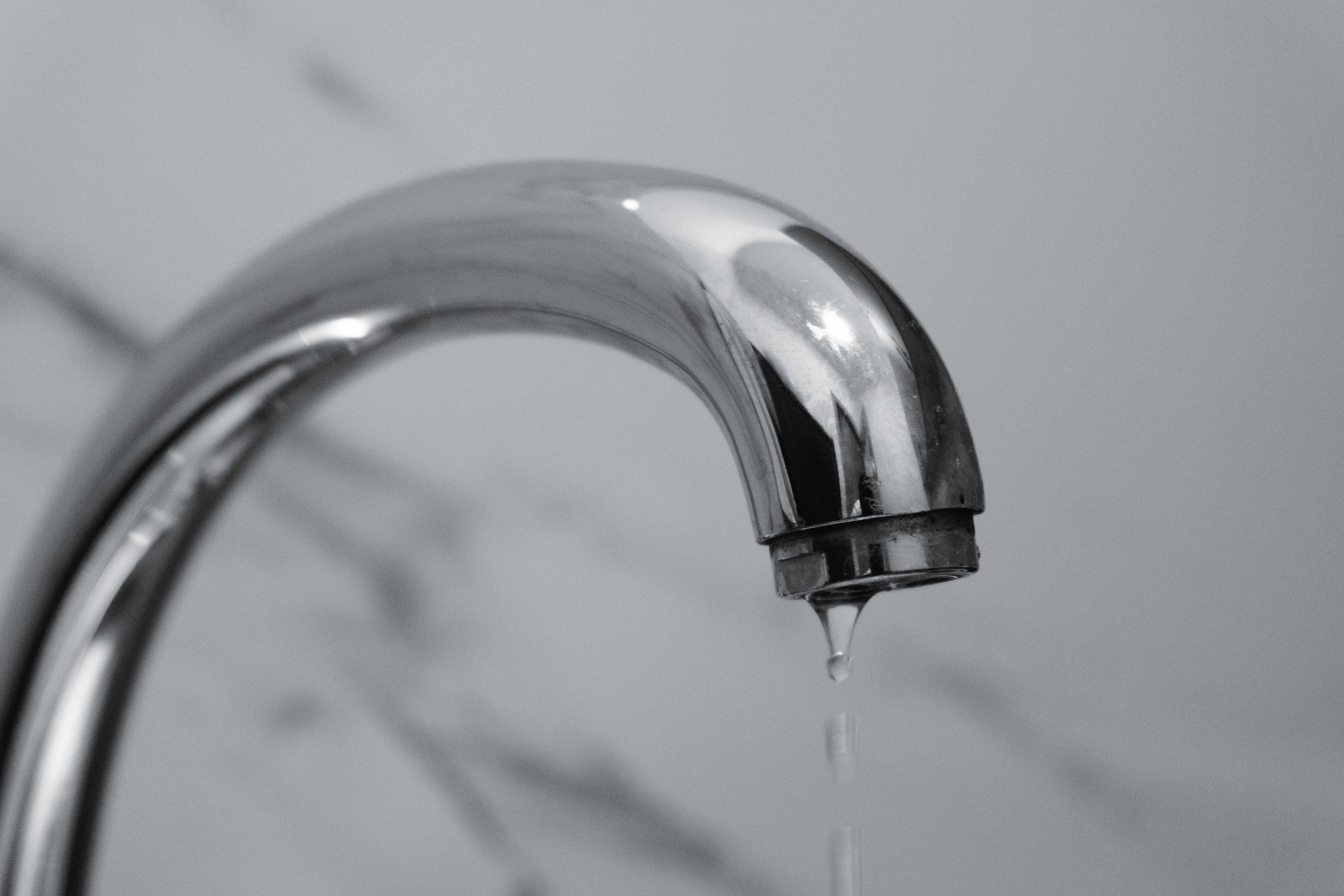
- Older-generation meters do not detect low water consumption. Older mechanical meters do not detect or register very small water flows. This means that a toilet can run quietly and unnoticed or a tap can drip for a long time, with this water remaining unmetered and contributing to water losses. A continuously running toilet can use more than 3 cubic metres of water per month, which can cost more than €10.
- Broken meters. A broken meter may fail to register water consumption or may register it inaccurately.
What changes are required by Cabinet regulations and how can they be implemented?
By 1 January 2027, apartment owners, as a community of owners, must decide on the introduction of a unified water consumption metering system, taking into account the building manager’s assessment of the economic feasibility of installing remotely readable water meters with open-type remote data reading. This requirement is set out in the Cabinet Regulations.
Important questions about how to meet this requirement:
- Is it mandatory to buy new meters? No, there is no such requirement. Old meters can continue to be used. However, residents must consider and decide how water consumption will be metered going forward – using the existing meters or new ones.
- Will the building manager help the building make this decision? Yes. For buildings that have experienced significant water losses over a prolonged period (more than 20% for several consecutive months), making the installation of new meters economically justified, we will organise votes. Buildings that do not have significant losses but would like to benefit from the convenience and security offered by modern meters can also apply. We will prepare an offer for these buildings and give residents the opportunity to vote: application form.
- What does a unified water consumption metering system mean? It means that the building agrees to use the same type of meter in all apartments so that calculations are accurate and fair. The new, identical meters are the property of the apartment owners in the building. The building also decides how and when meter readings will be collected, how consumption will be allocated if an apartment does not have a meter installed, and how water losses will be distributed among residents. As the building manager, we help the building establish this procedure.
Our offer – pipe replacement and smart ultrasonic water meters
To help residents reduce water losses, we, as the building manager, are looking for solutions to both main causes of water losses – emergency leaks and inaccurate metering.
To reduce the risk of emergencies, it is important to replace ageing pipes in good time – horizontal pipes in basements and risers in stairwells. A renewed pipe system can also address water pressure problems and improve water quality, as it eliminates the build-up of deposits that accumulate inside old pipes over the years. Therefore, we generally recommend replacing risers and horizontal pipes as a priority repair when this is important for safe and comfortable living.
For buildings that do not have sufficient reserve funds for these major works, we can help apply for EU co-financing or explore other financing options. If residents are actively willing to participate, solutions can be found.
However, most buildings with significant water losses do not have emergency leaks, and checking old meters does not reduce their water losses either. That is why we offer these buildings the latest-generation technology – smart ultrasonic water meters.
These meters measure water consumption using ultrasound rather than mechanical gears, and meter readings are collected automatically.
Our experience shows that in buildings equipped with smart ultrasonic water meters, water losses decrease dramatically and range from 0 to 2% per month.
Advantages of smart ultrasonic water meters:
- Higher accuracy and sensitivity. The meter measures water using ultrasound, so its readings are not affected by air bubbles or impurities in the water.
- Readings are not affected by human error or deliberate manipulation. Since the data is collected automatically, residents cannot make transcription errors or deliberately report lower consumption to, for example, save money during the winter months at their neighbours’ expense. Unlike mechanical meters, ultrasonic meters also cannot be physically manipulated or tampered with to prevent them from showing an apartment’s actual consumption.
- All readings are collected simultaneously. This eliminates the “shifts” caused by the multi-day meter reading submission period.
- Emergencies are detected faster. If a pipe bursts in a visible location, it can be repaired quickly. However, leaks sometimes occur in basements or underground outside the building. In such cases, a sharp increase in water losses may only become apparent at the end of the month, when residents submit their meter readings. With remotely readable meters, however, data is collected continuously, allowing the building manager to quickly receive an alert that there may be a leak in the building and investigate it.
- Longer service life. The battery in an ultrasonic meter can last up to 16 years. Since the meter has no small moving parts that can break, it is also less likely to malfunction.
- Helps prevent minor leaks. A quietly running toilet can waste more than €10 worth of water in a single month. Old mechanical meters do not detect such small flows, so this consumption becomes a water loss and the cost of the leaking toilet is effectively shared by all neighbours. In a larger building, there will usually be more than one leaking toilet or dripping tap. Ultrasonic meters detect this consumption, and the technology can recognise continuous flow as a leak and issue an alert. The building manager can then notify the relevant apartment, allowing the resident to repair the leaking plumbing quickly.
- Convenience. Meter readings are collected automatically, so residents no longer have to worry about submitting readings at the end of every month.

Apply and receive an offer for your building.
For “Rīgas namu pārvaldnieks” to install new meters in a building, the apartment owners must vote and adopt a decision of the community of apartment owners.
Was this information useful to you?